
History of Sɛkyerɛ
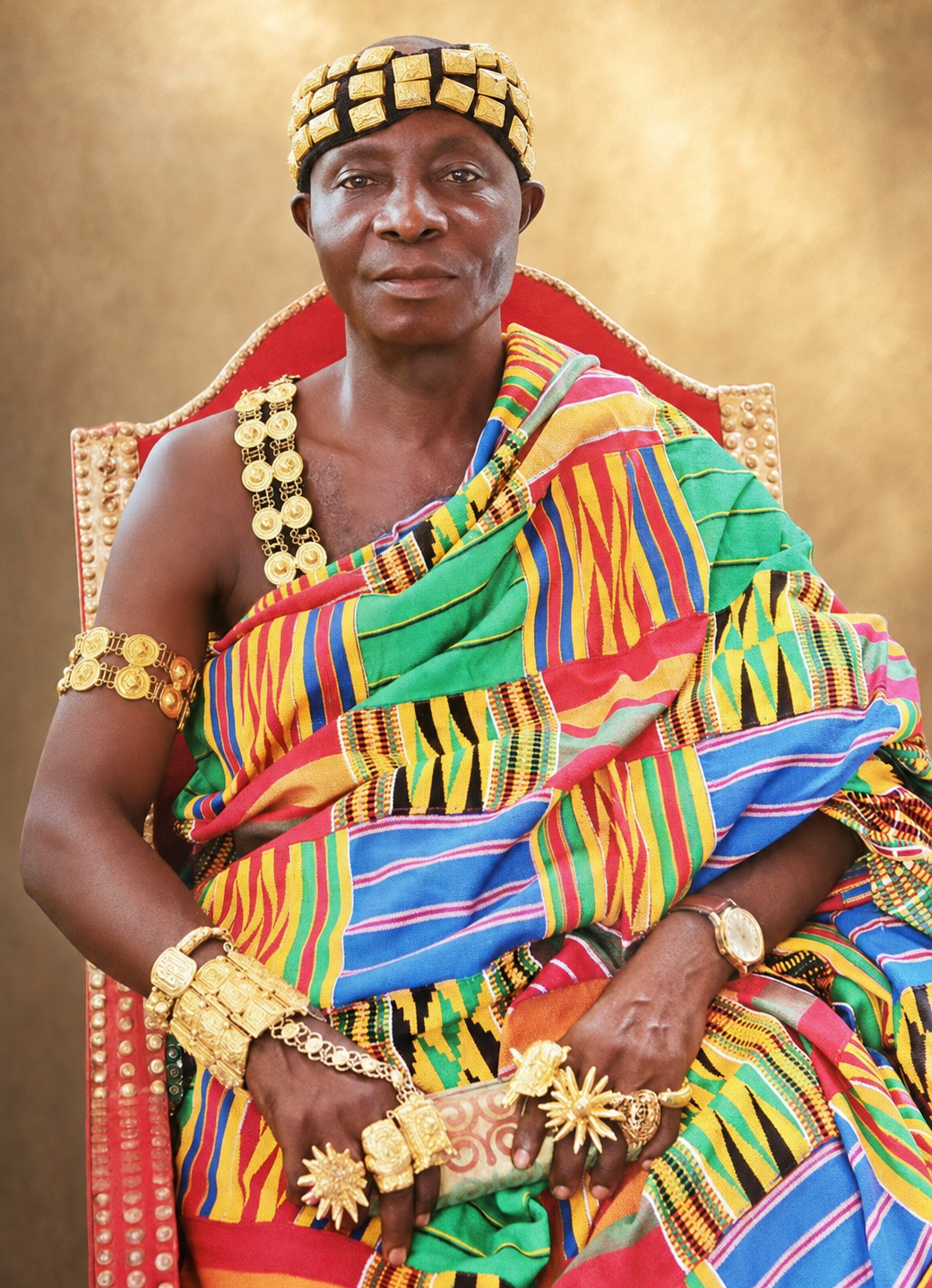
Sɛkyerɛ Hene
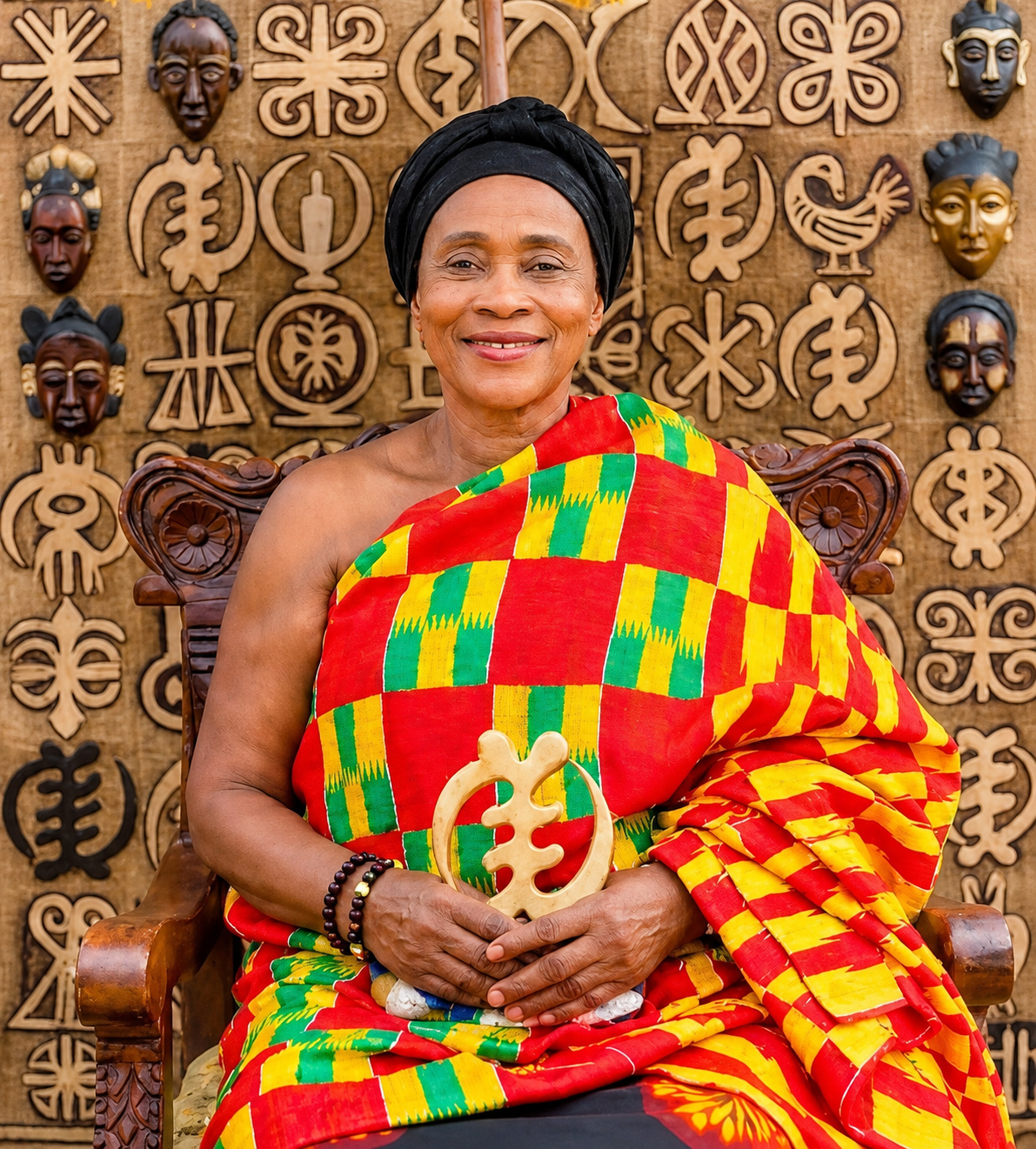
Sɛkyerɛ Hemaa
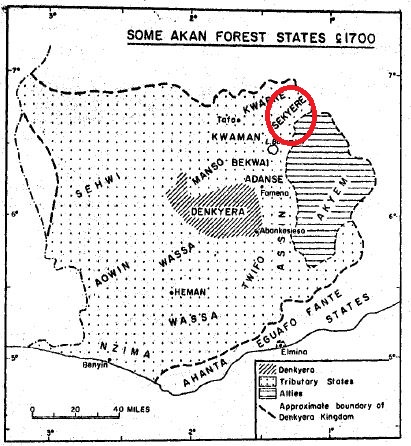
Akan States before Asante Kingdom
There were several Akan States before the formation of Asante Kingdom.
The founding of Sekyere
Sɛkyerɛ was founded before 1700
According to oral tradition, Sɛkyerɛ was founded before 1700, before the Asante Kingdom was established. The history of Sɛkyerɛ begins with a woman named Asɔkɔre, who migrated with her children from Sebedeɛ, near Esumegya in the Lake Bosomtwe area, to the present-day town of Asɔkɔre Mampong. She had three (3) sons and two (2) daughters called Amoaso and Antwiwaa.
As the family expanded, each of Asokore’s three sons travelled to different parts of the Akan forest region and established a settlement. One son, Boakye, embarked on a hunting expedition and is believed to have founded Berekum in the Brong region. Another son founded the town of Asɔkore, near Effiduase, while the third son, Boateng, founded the settlement that became known as Sekyere.
The name Sɛkyerɛ is believed to have evolved from the expression “Osei kyerɛɛ yɛ”, meaning “Osei showed or directed us.” According to oral tradition, when Boateng and his entourage left Asɔkore Mampong in search of a suitable place to settle, they informed Nana Osei, the Chief of Juaben, of their intentions. Nana Osei directed them to the area where Sekyere is located today.
After searching unsuccessfully for a suitable location, Boateng and his followers decided to settle in the place Nana Osei had recommended. They referred to the area as the place “Osei kyerɛɛ yɛ” – the place Osei showed. Over time, the expression was shortened and evolved into the name Sekyere.
Nana Boateng became the first chief of Sɛkyerɛ. He took the chieftaincy name Nana Yeboah Odi Ahenkan. Nana Yeboah Odi Ahenkan had a sister called Manu Tenten. Manu Tenten had three (3) daughters whose descendants have preserved the royal lineage and continue to hold the traditional right of succession to the Sɛkyerɛ chieftaincy.
The history of Sɛkyerɛ reflects a proud tradition of migration, courage, leadesrhip, leadership, and community building. These foundations continue to shape the identity and cultural heritage of the people of Sɛkyerɛ today.
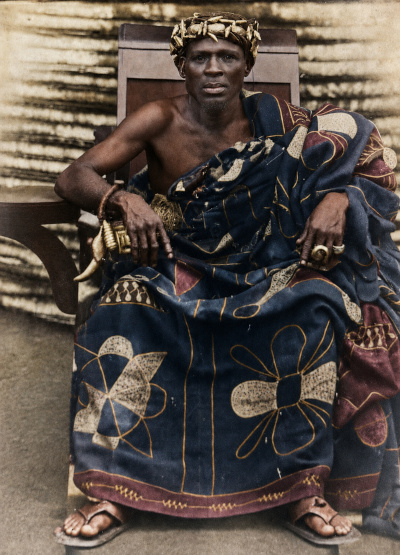
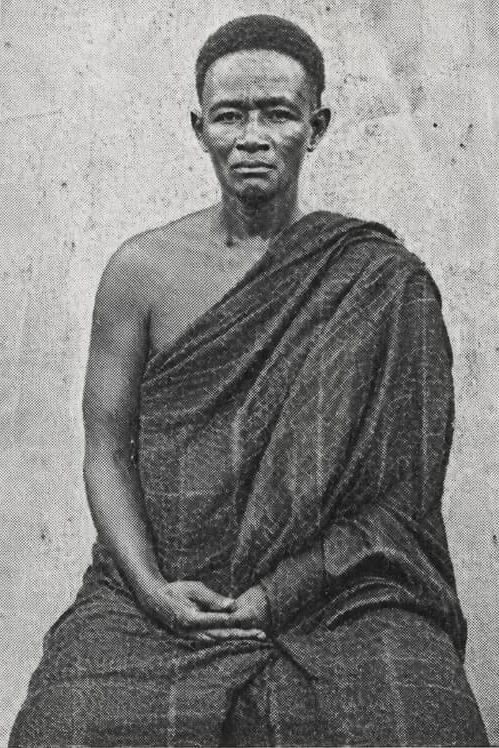
Nana Kwadwo Boateng
The Builder of Modern Sɛkyerɛ
Nana Kwadwo Boateng, who ruled Sɛkyerɛ from 1916 to 1951, occupies a distinguished place in the history and development of the community. His 35-year reign was marked by significant physical, educational and institutional development and helped lay important foundations for modern Sɛkyerɛ.
One of the major achievements associated with his reign was the expansion of Sɛkyerɛ, which is credited with approximately doubling in size. His vision for development extended beyond the immediate traditional town. The careful planning and layout of the town, with its well-demarcated streets established at that time, are a testament to Nana Kwadwo Boateng’s vision and foresight. This thoughtful planning makes Sɛkyerɛ stand out among communities in the area and reflects his broader vision for the orderly development of Sɛkyerɛ as a whole, rather than simply the growth of his own hometown.
Nana Kwadwo Boateng is also remembered for the important institutions established during his reign, including the palace, post office, Methodist school and local council. These developments strengthened education, administration, communication and traditional governance in the community.
A significant factor behind these achievements was Nana Kwadwo Boateng’s active and cordial relationship with political and civil authorities. He used these relationships constructively to attract government and other institutional support to Sɛkyerɛ. His ability to maintain good
relations with officials helped create opportunities for the establishment of facilities that served not only Sɛkyerɛ itself but also surrounding communities.
The Methodist school, in particular, became an important educational centre, serving children from Sekyɛrɛ and nearby towns. This demonstrated the wider regional importance of the development taking place during his reign.
The palace served as a centre of traditional administration, while the post office and local council connected Sɛkyerɛ more closely with the emerging administrative structures of the period. Together, these institutions reflected a community undergoing significant transformation.
Nana Kwadwo Boateng’s legacy therefore extends beyond the length of his reign. He is remembered for expanding the physical boundaries of Sɛkyerɛ, promoting thoughtful town planning, facilitating the establishment of important institutions, and building productive relationships with political and civil authorities.
His reign represents an important chapter in Sɛkyerɛ’s transition from a traditional settlement into a more organised and outward-looking community. The institutions, well-planned streets and developments associated with his leadership continue to form part of the historical foundations of modern Sɛkyerɛ.
Since its founding, Sekyerɛ has been led by fourteen chiefs and six queen mothers, each of whom has contributed to the leadership development and preservation of the community’s cultural heritage. Below, we list the names of these traditional leaders and, where available, the periods during which they reigned. Please note that complete historical records for some of the earlier chiefs and queen mothers are not readily available. We continue to consult oral traditions, community elders, and other historical sources to gather and verify additional information. We shall update this page as more details become available.
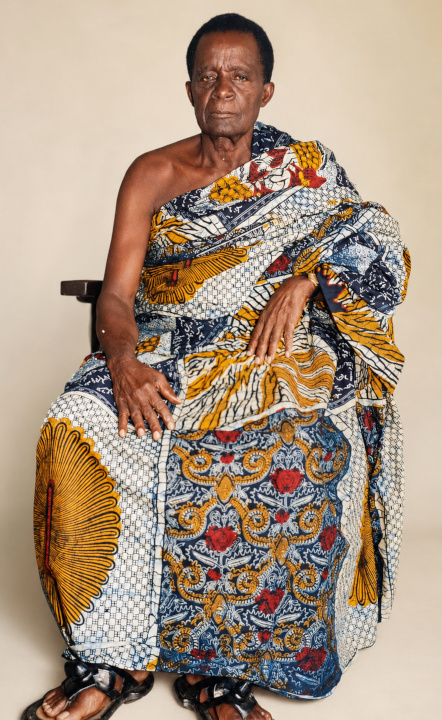
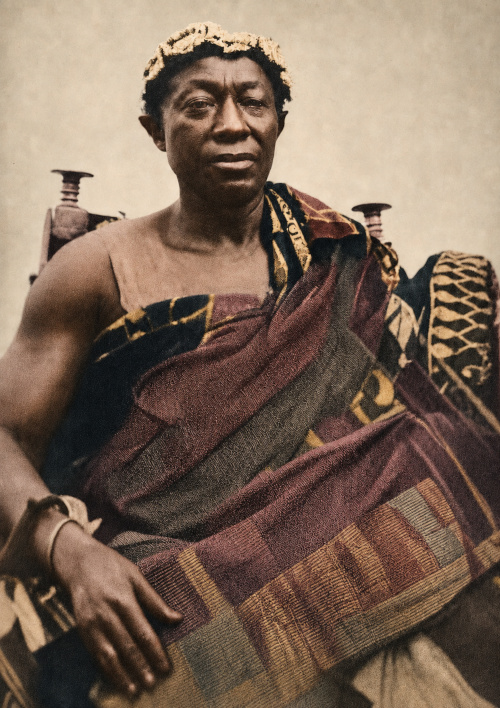
All The Chiefs in The History of Sɛkyerɛ
1. Nana Yeboah Odi Ahenkan
He reigned during the Obiri Yeboah era.
2. Nana Osei Kwame Onim PoBi I
He reigned during the Osei Tutu I era
3. Nana Kusi Obuadum (Sɛkyerɛ Kusi)
He was a powerful Chief of whom many interesting stories are told.
4. Nana Marfoh
Information about him will be uploaded later.
5. Nana Ntwadoa
Nana Ntwadoa was killed at Jamasi.
6. Nana Adaaho
Nana Adaaho was of the Agona clan. At a point in history, it became necessary to appoint someone from a different clan
7. Nana Marfoh
We will update with information as it becomes available.
8. Nana Kwame Boateng
More information will be added.
9. Nana Kwaku Fokuo
Controversial chief. He called himself Ampɔɔte, meaning You don’t want me, but I reign
10. Nana Kwadwo Boateng (Adwoa Dwo)
Powerful and progressive. Legend has it that he was a most effective chief in history.
11. Nana Kofi Atta
More information will be added here.
12. Nana Kwame Duku
He was de-stooled by the CPP government. Those were the days when the government of the country could meddle in chieftaincy affairs.
13. Nana Kwame Yeboah III (Nana Boafo)
Information will be added
14. Nana Osei Kwabena Onim PoBi II (Current Chief)
Current chief of Sɛkyerɛ
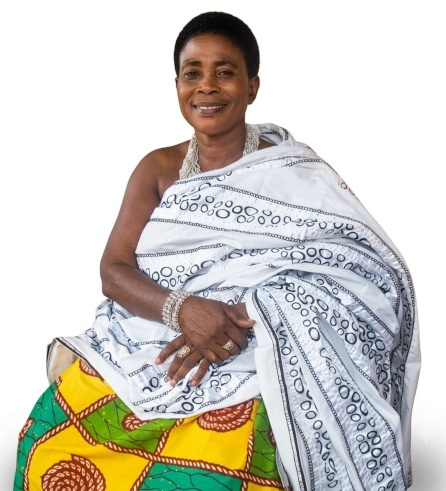
All The Queen Mothers in the History of Sɛkyerɛ
1. Nana Yaa Antwiwaa
She reigned during Obiri Yeboah eraɒ
2. Nana Abena Fei
She reigned during the Osei Tutu I era.
3. Nana Afua Koɔ I
Nana Afua Koɔ I was the Queen Mother of Sɛkyerɛ Kontonkyi from 1936-1947. She was the third Queen Mother in the history of Sɛkyerɛ.
4. Nana Yaa Afra
Destooled by the CPP government.
5. Nana Afua Koɔ II
She was enstooled by the CPP government.
6. Nana Yaa Antwiwaa II
Current Queen Mother